There is little doubt that a clear vision is critical to the survival and success of each and every one of us, as it serves as a foundational guide for success in life and business, that is all because it provides direction, purpose, and motivation. In fact, it acts as a roadmap, aligning actions with long-term goals.
By so doing it is significant in fostering employee engagement, as well as enabling strategic decision-making while transforming obstacles into learning opportunities. Without it, effort is often wasted. What it all boils down to is for us to do everything humanly possible to protect our eyes from all form of harm and the attendant diseases.
According to medical doctors, common eye diseases include age-related conditions such as cataracts, glaucoma, and macular degeneration (AMD), along with refractive errors (myopia, hyperopia, astigmatism) and diseases like diabetic retinopathy. Other common, often treatable, issues include conjunctivitis (pink eye), dry eye syndrome, and strabismus. Regular eye exams are therefore, crucial for early detection.
Also important is the knowledge of nutrition and the role that the right choice of food items play in providing us with bright eyesight. Why Is Nutrition Important for Good Vision?
“Some nutrients keep the eye healthy overall, and some have been found to reduce the risk of eye diseases,” said Rebecca J. Taylor, MD, an ophthalmologist who lives in Nashville, Tennessee, USA.
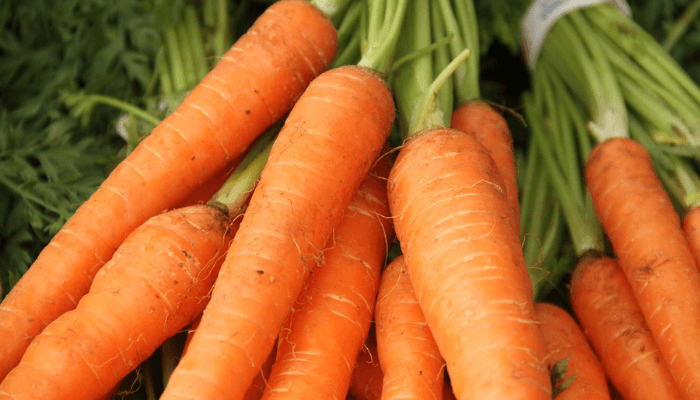
Generally, eating a diet low in fat and rich in Vitamins A, C, E as well as fruits, vegetables and whole grains can help not only your heart but also your eyes. Leafy green vegetables that are rich in lutein and zeaxanthin as well as beans and zinc are needed. This is not surprising: Your eyes rely on tiny arteries for oxygen and nutrients, just as the heart relies on much larger arteries. Keeping those arteries healthy will help your eyes. That is according to an expert on clear vision, Lauren Manaker with an article published on March 4, 2026 and reviewed by Dietitian Alyssa Pike, RDN. Apart from carrots and brightly coloured fruits, pistachios, sweet potatoes, spinach, eggs are recommended.
There are fabulous foods to boost your eye health às revealed by Celia Vimont, reviewed by Brenda Pagan-Duran, MD, edited By David Turbert and published on November 21, 2024
If you are looking for a diet that is healthy for your eyes, here are some good news: The same diet that helps your heart and the rest of your body will help your eyes. And you will still enjoy many delicious choices.
Eye health still depends on genetics, age and daily lifestyle habits. Carrots might be praised when it comes to eye health, but your options for supporting your vision are far more vast. A well-balanced diet, rich in specific vitamins and antioxidants, can make a difference in maintaining sharp vision and protecting against age-related eye issues. Other factors include your lifestyle such as letting the eyes relax often.
Though it is enjoyed as a simple snack, pistachios are a nutritional powerhouse for your eyes says. According to Megan Meyer, Ph.D: “Pistachios are an excellent food for vision health.”. What makes them so special? “Pistachios are the only nut that contains lutein, a carotenoid that functions as an antioxidant and protects your eyes from harmful blue light,” Meyer explains.
Worthy of note is that lutein plays a crucial role in preventing serious eye conditions. “A variety of observational studies have found that higher intake of lutein and zeaxanthin is associated with a decreased risk of cataract development and progression to advanced age-related macular degeneration,” Meyer notes. Age-related macular degeneration is an eye disease that affects your central vision and is a leading cause of vision loss, especially in older adults. A recent study backs up these benefits.
The next to eat is
sweet potatoes. They are a source of vitamin A, a nutrient that is required to boost vision health. “One medium sweet potato provides over 100% of your Daily Value of Vitamin A,” says Sarah Schlichter, M.S., RD. “Vitamin A is important for normal vision function, producing normal eye moisture and making certain pigments to avoid night blindness,” Schlichter explains. A deficiency in vitamin A can lead to dryness and difficulty seeing in low light. Sweet potatoes are incredibly versatile. You can bake them whole, cut them into fries and roast them with a sprinkle of paprika, mash them as a side dish, or add cubes of roasted sweet potato to grain bowls and salads.
Spinach is a dark, leafy vegetables celebrated for its health benefits, and eye health is high on the list. “Spinach is rich in lutein and zeaxanthin, carotenoids that accumulate in the macula of the eye,” says Whitney Stuart, M.S., RD
The macula is the part of the retina responsible for clear, detailed central vision. The lutein and zeaxanthin in spinach act as a shield for this vital area. The piece of advice is to
add a handful of fresh spinach to your morning smoothie or scrambled eggs. Use it as a base for salads, or sauté it with garlic and olive oil for a simple and nutritious side dish.
As for eggs, especially the yolk, it is another source of eye-protecting nutrients. “Egg yolks are one of the best sources of lutein and zeaxanthin, antioxidants that help protect the eyes,” says Jennifer House, M.Sc., RD. What makes the nutrients in egg yolks particularly effective is how your body absorbs them. “Because these nutrients are fat-soluble and the yolk naturally contains fat, they are absorbed especially well,”
This means your body can efficiently utilize these compounds to support the health of your retina and macula. One meta-analysis found that eating eggs daily increased lutein levels in the blood and significantly improved macular pigment optical density (a marker of eye health), both of which are associated with a lower risk of age-related macular degeneration progression.
In terms of preparation, eggs are a breakfast staple, whether scrambled, poached or fried. But you can also hard-boil them for a convenient snack or slice them into salads and sandwiches.
Vitamin C is critical to eye health. As an antioxidant, vitamin C helps protect the body from damage caused by some things we eat, unhealthy habits and environmental factors. Fried foods, tobacco smoke and the sun’s rays can produce free radicals–molecules that can damage and kill cells. Vitamin C helps repair and grow new tissue cells.
Apart from nutrition there are other tips on how to protect your eyes. These include having a comprehensive eye test. A dilated eye examination is the only way to catch common eye diseases like glaucoma, diabetic eye disease and age-related macular degeneration early—often before symptoms appear. It also ensures you’re seeing as clearly as possible with the right prescription. You are advised to wear protective eyewear. Safety glasses, goggles or eye guards can prevent injuries during sports, work or other risky activities. Look for polycarbonate lenses, which are stronger than regular plastics.
Wear sunglasses. Protect your eyes from harmful Ultra Violet rays by choosing sunglasses that block 99% to 100% of UVA and UVB radiation. They are not just stylish—they are essential for long-term eye health.
Also important is to give your eyes a rest. Reduce eye strain by following the 20-20-20 rule: every 20 minutes, look at something 20 feet away for 20 seconds. This is especially helpful if you spend long hours on screen.

Join BusinessDay whatsapp Channel, to stay up to date
Open In Whatsapp