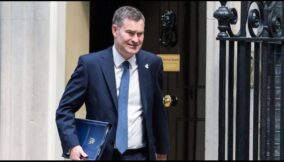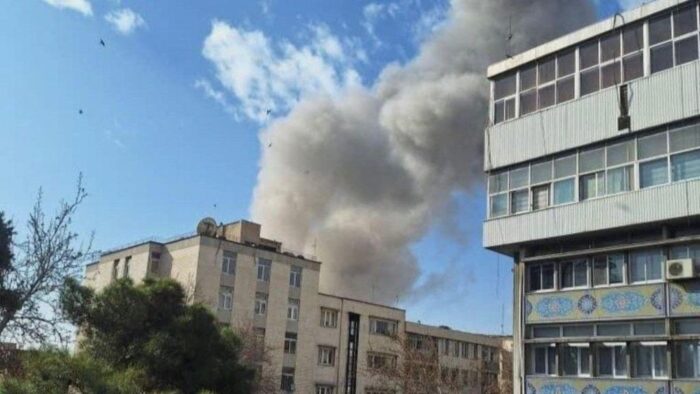
Abbas Araghchi, Iran’s Foreign Minister has condemned the joint United States and Israeli air strikes as “wholly unprovoked, illegal and illegitimate”, sharply escalating tensions in a region already on edge.
In a post on X, Araghchi accused Donald Trump, United States president, of putting Israeli interests ahead of American ones. “He has turned America First into Israel First, which always means America Last,” he wrote. He added that Iran’s armed forces were prepared and would “teach the aggressors the lesson they deserve”.
Read also: US President Trump says Iranians should rise up and take over their government
The remarks came as several Arab states confirmed they were intercepting missiles fired from Iran towards United States military bases on their soil. Qatar, the United Arab Emirates, Kuwait, Bahrain and Jordan said their air defence systems had been activated in response to the incoming threats.
Some of these governments said they reserve the right to respond. But regional officials are expected to weigh their next steps carefully. For weeks, Arab leaders had been working behind the scenes to prevent open conflict between Tehran and Washington. Diplomatic channels were active. Messages were exchanged. There was hope that tensions could be contained.
Read also: Trump acknowledges attacks on Iran may lead to US casualties
That effort now appears to have failed.
Officials across the Gulf are concerned that the strikes will destabilise the region and pull it deeper into war. Beyond direct attacks on United States bases, there are fears that Iran could target vital infrastructure, including oil and gas facilities. There is also anxiety about the Strait of Hormuz, a key shipping route for global energy supplies. Any disruption there would send shockwaves through international markets.
Read also: Iran confirms country under on going attacks by Israel
In the worst case scenario, some leaders worry about internal collapse in Iran. A breakdown of state authority could lead to refugee flows and the spread of weapons across borders. Such an outcome would carry long term security risks for neighbouring countries.
According to an official statement, Araghchi has spoken by phone with counterparts in Saudi Arabia, the United Arab Emirates, Qatar, Kuwait, Bahrain and Iraq. He told them Iran would use “all its defensive and military capabilities under legitimate right of self defence” to protect its territorial integrity.
He also reminded them, the statement said, of “their responsibility to prevent the misuse of their facilities and territories” by the United States and Israel to launch attacks against Iran.
The message from Tehran is clear. Iran sees the strikes as an act of aggression and is preparing its response. At the same time, Arab governments find themselves in a delicate position, caught between security partnerships with Washington and the risk of becoming direct targets in a widening conflict.

Join BusinessDay whatsapp Channel, to stay up to date
Open In Whatsapp