The Economic Community of West African States (ECOWAS) has called for reforms to dismantle structural barriers preventing women and informal traders from fully benefiting from opportunities under the African Continental Free Trade Area (AfCFTA).
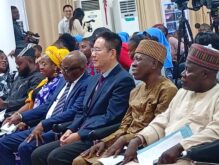
The call was made during an Extraordinary Session and a Parliamentary Seminar of the ECOWAS Parliament held in Abuja, where policymakers and regional lawmakers examined strategies to strengthen inclusive trade across West Africa.
Speaking at the session, Christopher Mensah-Yawson, Director at the ECOWAS Commission Trade Directorate, stressed that inclusive trade policies are critical to unlocking sustainable economic growth and social development in the region.
He warned that women and youth, who form the backbone of informal cross-border commerce, continue to face significant challenges that limit their participation in formal regional trade frameworks.
“Women and youth face multiple obstacles, including cumbersome customs procedures, limited access to finance and storage facilities, gender-insensitive border infrastructure, harassment, extortion and security risks,” Mensah-Yawson said.
According to ECOWAS data, women account for about 74 per cent of informal cross-border trade operators in West Africa.
In addition, a significant proportion of young people under the age of 25 depend on informal trading activities as a primary source of livelihood.
Stakeholders noted that while the informal sector plays a vital role in food security, job creation and poverty reduction, its operators often lack legal protection, access to credit, and adequate infrastructure, leaving them vulnerable to exploitation and income instability.
Mensah-Yawson described the AfCFTA as a transformative platform designed not only to increase trade volumes across Africa but also to promote equitable participation among marginalised groups.
He highlighted several frameworks embedded within the agreement aimed at addressing gender and youth disparities.
“These include the Protocol on Women and Youth in Trade, simplified trade regimes to ease small-scale cross-border transactions, digital trade initiatives, and support programmes for small and medium-sized enterprises (SMEs)”, he said.
He further outlined ECOWAS-led initiatives such as the Informal Trade Regularisation Support Programme, the Trade and Gender Framework (2024–2030), and the Regional E-Commerce Strategy.
These programmes, he explained, are designed to expand access to markets, finance, and digital platforms for women- and youth-led businesses.
Mensah-Yawson urged Member States and regional lawmakers to accelerate reforms that would formalise informal trade, strengthen protections for vulnerable traders, and remove regulatory and infrastructural bottlenecks.
“Member States and lawmakers must intensify reforms to formalise informal trade, protect vulnerable traders, and dismantle barriers to formal markets,” he noted.
Participants at the seminar emphasised that without deliberate policy interventions, the benefits of AfCFTA risk being concentrated among larger, formal enterprises, thereby excluding millions of small-scale traders who drive grassroots economic activity across West Africa.

Join BusinessDay whatsapp Channel, to stay up to date
Open In Whatsapp