CBN grants grace period on expired NAFDAC licences
The Central Bank of Nigeria directed all authorised dealer banks to continue accepting NAFDAC licences that expired on December 31, 2025, for processing import forms until February 28, 2026. The temporary dispensation became necessary due to the transition from the legacy NICIS II system and importers’ inability to validate or renew NAFDAC licences on the new B’Odogwu platform after December 2025.
The two-month window is intended to ensure uninterrupted trade operations while NAFDAC finalises integration of its system with the National Single Window. The apex bank warned that importers must use the grace period to complete their registration and renewal processes on the new platform before the February deadline.
Trump signals flexibility on South Korea tariffs
President Donald Trump said Tuesday the United States will work something out with South Korea after threatening Monday to raise tariffs on imports from the Asian country to 25 per cent from 15 per cent. Trump’s remarks raised hopes for negotiations as South Korea’s Industry Minister Kim Jung-kwan prepares to visit Washington for talks with Commerce Secretary Howard Lutnick.
US Trade Representative Jamieson Greer told Fox Business he spoke with South Korean officials Tuesday and would meet with their trade officials in Washington this week. South Korea’s parliament is expected to sit for plenary session in February when members will normally vote on five pending bills that would enact the $350 billion US investment package agreed last July. The Trump administration reduced its tariff rate on South Korean goods to 15 per cent in exchange for Seoul’s pledge to invest $350 billion in the United States, allow more US cars into South Korea, and eliminate some non-tariff barriers on agriculture.
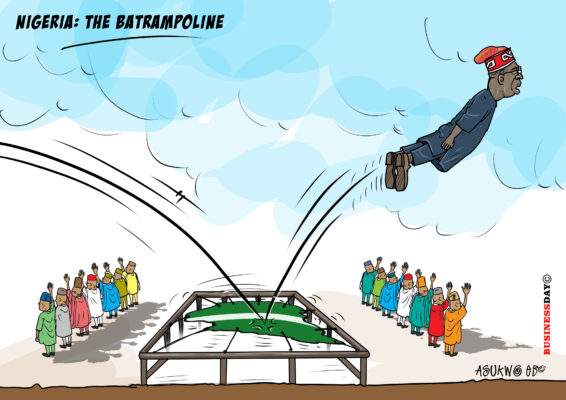
Read Also: Tinubu ‘in great shape’ after falling at Turkey reception, aides say
South Africa considers steep tariffs on Chinese, Indian vehicles
South Africa is conducting an internal review to assess potential measures to curb vehicle imports from China and India that policymakers say are harming domestic manufacturing. The Department of Trade, Industry and Competition told lawmakers Tuesday it may revise tariff schedules to align import duties with World Trade Organization most-favored-nation standards, which would raise tariffs on completely built-up passenger vehicles from 25 per cent to 50 per cent.
Vehicle imports from China surged 368 per cent over the past four years, while imports from India grew 135 per cent. Imports now account for 55 per cent of national sales. The surge has contributed to stagnation in local production at around 600,000 units annually and a decline in component manufacturing, with 13 company closures and more than 4,000 job losses recorded in the past three years.
India finalises EU trade deal with auto tariff cuts
India and the European Union concluded a landmark free trade agreement Tuesday that will immediately cut India’s car import tariffs to 40 per cent from as high as 110 per cent. The deal covers approximately 200,000 combustion-engine cars annually, with tariffs further lowered to 10 per cent over time for vehicles with an import price above €15,000.
Battery electric vehicles will be excluded from duty reductions for the first five years to protect investments by domestic players like Mahindra & Mahindra and Tata Motors. The agreement is expected to expand bilateral trade and lift Indian exports of textiles and jewellery, which have been hit by 50 per cent US tariffs since late August. Both sides hailed the deal as a significant step toward deeper economic integration.
Imported petrol now cheaper than Dangote’s gantry price
The landing cost of imported petrol fell below Dangote Petroleum Refinery’s gantry price after the refinery raised its price from N699 to N799 per litre Monday night. Data from the Major Energies Marketers Association of Nigeria show the landing cost of imported petrol stood at N728.88 per litre last week, making Dangote’s gantry price about N70 higher.
The refinery said it realigned prices modestly because the festive period was over, returning to sustainable levels after implementing a temporary price reduction in December to cushion Nigerians during heightened household spending. MRS filling stations raised their prices from N739 to N839 per litre following the announcement. Dangote CEO David Bird said the refinery continues to supply the domestic market with approximately 50 million litres daily, with nationwide evacuation and distribution operating normally.

Join BusinessDay whatsapp Channel, to stay up to date
Open In Whatsapp