Mental health needs are rising across many parts of the world, yet access to trained professionals remains limited. Cost, stigma, and shortages in the workforce continue to prevent many people from receiving care.
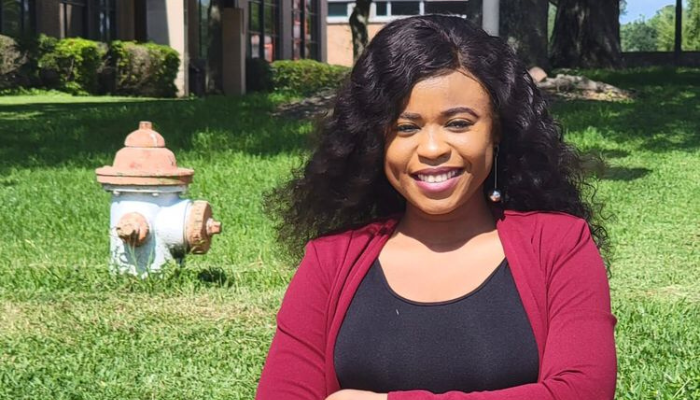
Addressing these challenges requires clinicians who understand not only treatment, but the cultural and social factors that shape mental health. One such clinician is Obiajurum Anthonia “Tonia” Odili, a Nigerian-born, U.S.-based Licensed Professional Counselor Associate.
Odili’s work spans clinical practice, mental health education, and youth mentorship across Nigeria and the United States. Her career developed through direct experience with communities facing emotional distress, limited resources, and barriers to care.
Early advocacy and work in Nigeria
Odili first became involved in youth development work in Nigeria. In 2015, she founded SM Jury Nigeria, a mentorship platform that connected young entrepreneurs with professionals, mentors, and training opportunities. Through this work, she encountered recurring mental health concerns among young people, including stress, substance use, burnout, and unresolved trauma.
These experiences led her to pursue formal training in mental health counseling. She relocated to the United States to study Clinical Mental Health Counseling, completing graduate education and supervised clinical training required for licensure. She is currently licensed in Texas as a Licensed Professional Counselor Associate.
Public recognition and mental health awareness
In 2015, Odili received the Nigerian Role Model Award for her public education efforts addressing substance use and its impact on mental health. Her advocacy focused on encouraging open discussion around addiction, emotional wellbeing, and suicide prevention at a time when these topics were often avoided in public discourse.
Nigeria continues to face significant gaps in mental health services. According to the World Health Organization, many regions have fewer than one mental health professional per 100,000 people. These shortages, combined with stigma and misinformation, make access to care difficult for many individuals.
While practicing in the United States, Odili remains engaged in mental health education through mentorship, speaking engagements, and collaboration with youth-focused programs.
Clinical practice in the United States
In the United States, Odili has worked in inpatient psychiatric hospitals, crisis stabilization units, and university-affiliated counseling programs. Her clinical work includes supporting individuals experiencing trauma, anxiety, grief, emotional instability, and suicidal ideation.
Her approach combines established counseling methods with attention to cultural background and lived experience. In high-acuity settings, she works as part of multidisciplinary teams responsible for patient stabilization, safety planning, and discharge coordination.
In addition to direct patient care, Odili has participated in professional training programs and continuing education sessions for other mental health providers.
Plans for expanded mental health services
Odili plans to establish a Mental Health and Resilience Center in the United States focused on serving culturally diverse and underserved communities. The proposed center would offer counseling services, clinician training, and community education programs.
The model prioritizes affordability, early intervention, and practical mental health education. Odili also intends to use telehealth platforms and international partnerships to share training resources with clinicians in regions where access to care remains limited.
Mental health challenges in the United States continue to grow, with increasing rates of anxiety, depression, substance use disorders, and suicide. Access to culturally informed care remains uneven, particularly for immigrant and underserved populations.
Ongoing work and professional focus
Alongside clinical practice, Odili continues to engage in discussions around mental health education, workforce development, and stigma reduction. Her work centers on helping individuals seek care earlier and supporting clinicians in delivering culturally informed treatment.
Through clinical service, training, and public education, Odili remains focused on expanding access to mental health care and supporting communities affected by trauma and limited resources.

Join BusinessDay whatsapp Channel, to stay up to date
Open In Whatsapp