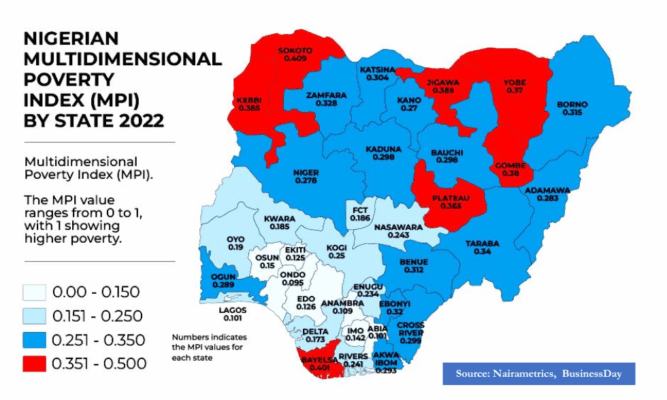
The message popped up at 11:47 that night. “Please, I need urgent 2k.” For Tunde, a young banker in Lagos, it was the third plea in just one week. A cousin who hadn’t eaten all day. A neighbour whose child was sent home over fees. Now his younger brother, stuck after another fruitless job search. Tunde let out a quiet sigh, not from irritation, but from knowing he wasn’t alone in this. In today’s Nigeria, millions like him have become the quiet safety nets holding up entire households.
This is the hidden economy of obligation, shaped by mult