Fears over President Muhammadu Buhari’s hard anti-corruption stance and style in governance are causing hesitance among some individuals being prospected for ministerial positions , BusinessDay has gathered.
Informed sources say that some of the individuals being prospected for ministerial positions fear they might fail the stringent integrity test and would prefer to wait this administration out and try their luck with another government, or in another endeavour, while others believe Buhari’s perceived hands-on style could undermine their effectiveness as ministers.
A former chief executive of a bank, who acknowledged that his friend was approached but was reluctant to accept said, “Apart from the integrity test, he feels that he might not be effective and bring out his best, considering the leadership style of Mr. President.”
Another respondent, an industrialist said, “I see the situation like ‘winner takes all’ and as such, you will only function as an adviser, irrespective of the portfolio one is assigned.”
This scepticism of some ministerial prospects and the seeming lack of preparedness by the National Assembly, due to intermitent recesses, may jeopardise the September deadline for the appointment of ministers, announced to the world by President Buhari.
BusinessDay further gathered Buhari may have narrowed down the selection to the military, traditional establishments and the international/financial community, and that he is mindful that criticism might come from those who may consider themselves as having being dumped.
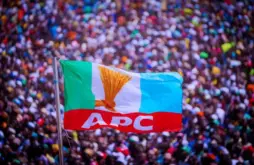
This, according to some analysts might lay the foundation of a third party, consisting, mostly of disgruntled politicians from the ruling All Progressives Party (APC) and some hardliners from the opposition Peoples Democratic Party (PDP).
Meanwhile, the nation awaits with bated breath, the composition of the cabinet next month, amidst the attendant lull in the economy due to the continued policy vacuum.
“Scandals and blackmailing of new ministers and appointees will force firings and resignations. The scramble for office will slow after Buhari deals with first insider culprits.
“The public arraignment of some former ministers and leading government officers will send strong signals around the country.
“Economic activities will remain tepid until clarity on fiscal policy direction. The market will be looking to see how Buhari will move against corruption within his ranks,” says Bismarck Rewane, in the current note from Lagos Business School Breakfast meeting.
Rewane further says that the appointment of cabinet members will have three tracks, comprising of influence from the retired military constituency, establishment (traditional rulers) and international and financial community, stressing however that the criteria will be competence, pedigree and integrity.
Opeyemi Agbaje, chief executive officer, RTC Advisory services limited, in the current “Business and Economic Review”, said the policy vacuum would persist till next year, as the cabinet may not be ready, due to the likely delay from the National Assembly, due to their penchant for recesses, even when nothing has been achieved.
“We hope the wait for policy and governance will be worth the wait and that once the cabinet is finally constituted, the government will swiftly and effectively confront Nigeria’s economic, political and other challenges,” Agbaje said.
Olu Fasan, a London-based lawyer and political economist, in his published article on “Beyond Buhari’s ministers: A thought on the mandarins said, “President Buhari’s unwillingness so far, to appoint his ministers, was thus to make the point that Nigeria doesn’t yet have a fully functioning government since a significant part, the cabinet, is still missing.
“For the sake of effective governance, this is not sustainable for much longer. It is certainly not sustainable or even prudent that at a time of serious economic crisis, there is no finance minister to provide political leadership and policy direction. “Instead, the Central Bank governor is acting as the defacto finance and trade ministers, making far reaching fiscal and trade policy decisions.”
John Omachonu

Join BusinessDay whatsapp Channel, to stay up to date
Open In Whatsapp